Categoria: Senza categoria

  • The Wild Ride of Yield Farming, Futures Trading, and Browser Extensions in Crypto

    So, I was thinking about how crazy it is that crypto keeps pulling me deeper in. Seriously? One minute you’re just dabbling in a little yield farming, and the next thing you know, you’re neck-deep in futures contracts and juggling browser extensions like a pro. Wow! It’s like this wild ecosystem where everything’s evolving super fast—and not always in ways you expect.

    Yield farming, for example, seemed like the golden ticket not too long ago. You stake some tokens, let your assets churn, and watch those returns stack up. Sounds simple, right? Well, not exactly. My instinct told me something felt off about just locking your coins away without fully understanding the risks. There are impermanent losses, weird tokenomics, and some downright shady protocols lurking around. And yet, the allure of passive income keeps pulling people back in.

    Then comes futures trading—now, this is where things get really spicy. At first, I thought futures were just for the big whales and hedge funds. Nope. Turns out, retail traders like you and me have front-row seats in this high-stakes game. Honestly, the volatility here can be nerve-wracking, but it’s also where you can really flex some strategy muscle if you know what you’re doing. Oh, and by the way, the integration of futures trading directly into wallets? That’s a game changer.

    Here’s the thing: managing all these moving parts—staking, trading, monitoring positions—can be a nightmare. That’s why browser extensions have become a quiet hero in this saga. They bring everything under one roof, making it easier to navigate multiple chains and protocols without jumping between tabs or apps. But they’re not all created equal; security and UX vary wildly, which can be a dealbreaker.

    Check this out—
    Crypto dashboard showing yield farming and futures trading stats

    With that said, I’ve been testing a few wallets that integrate these features seamlessly. The bitget wallet, for instance, stands out because it combines a slick browser extension with direct access to yield farming pools and futures markets on multiple chains. At first glance, it felt just like another wallet, but digging deeper, I appreciated how it balances ease of use with security—a pretty rare combo. Something about the interface just clicks, making it easy for casual users and serious traders alike.

    Yield Farming: Not Always as Simple as It Seems

    Now, yield farming has this reputation for being straightforward, but here’s a little secret: it’s a minefield. People often jump in chasing double-digit APYs without fully grasping the liquidity risks or token volatility. I remember my first time—I threw some stablecoins into a pool that promised crazy returns, only to see the yield tank after a governance vote changed the rules. Ouch.

    On the one hand, yield farming democratizes access to returns that were once exclusive to big players. Though actually, it also introduces a ton of complexity for newcomers. Smart contracts can have bugs, and protocols sometimes fold faster than you can say “rug pull.” So, while the idea of passive income is enticing, the reality demands constant vigilance. And, well, a bit of luck.

    That’s why I like using tools integrated into wallets like the bitget wallet. It’s not just about staking—it’s about monitoring your positions in real-time and getting alerts when things go sideways. Trust me, this kind of insight is very very important when your money’s on the line.

    Futures Trading: High Stakes, Higher Rewards—If You’re Careful

    Futures trading in crypto is like walking a tightrope over a pit of alligators. One wrong step, and you’re liquidated. But the potential upside? Man, it’s huge. I’ll be honest—I wasn’t always comfortable with the idea. The leverage, the margin calls—it’s a lot to take in. But the more I experimented, the more I realized that having futures integrated into a wallet, instead of juggling separate platforms, helps keep things sane.

    Plus, futures give you tools to hedge your holdings or speculate on price moves without selling your actual coins. That’s powerful. But it requires discipline and a solid understanding of market dynamics. No magic here. I started small, using demo accounts and low leverage, and gradually built confidence. That approach saved me from some painful rookie mistakes.

    Integrating futures trading directly into wallets like the bitget wallet lowers the entry barrier quite a bit. Suddenly, you don’t need to bounce around multiple apps or deal with complicated APIs. Your trading and holding live side-by-side, which—believe me—makes managing risk a tad easier.

    Browser Extensions: The Unsung Heroes of Crypto Convenience

    Okay, so browser extensions might not get the hype they deserve. They’re like the Swiss Army knives of crypto—quietly handling everything from signing transactions to providing seamless access across chains. But I’ve seen plenty that are buggy or downright insecure. That’s a huge red flag, especially when you’re dealing with real money.

    What bugs me is how some extensions try to do too much and end up confusing users. I prefer ones that focus on core functionality but do it really well. The bitget wallet extension nails this balance. It feels intuitive, doesn’t hog resources, and supports multi-chain DeFi access plus futures trading without a hitch.

    Here’s the kicker—using a browser extension also means you’re always a click away from your portfolio, trading, or staking. No app downloads, no jumping through hoops. It’s just there, ready when you are. This kind of accessibility is crucial for anyone serious about multi-chain DeFi.

    Still, I keep my guard up. Browser extensions can be vulnerable if not properly maintained. So, always double-check permissions and keep your extension updated. And maybe keep some funds in cold storage because you never know…

    Pulling It All Together

    It’s wild how yield farming, futures trading, and browser extensions intersect to shape modern crypto experiences. Initially, I thought these were isolated tools—one for passive income, another for advanced trading, and a third just for convenience. But actually, they’re parts of a bigger puzzle. When combined thoughtfully, they empower users to engage in multi-chain DeFi with more control and less friction.

    That said, it’s not all sunshine and rainbows. The risks are real, and the learning curve can be steep. But for those willing to navigate the bumps, wallets like the bitget wallet offer a practical gateway. They bring these complex tools into a single, manageable interface, making it easier to explore new opportunities without losing your mind.

    So yeah, the crypto space is messy, exciting, and occasionally nerve-wracking. But it’s also full of chances to level up your financial game—if you’re ready to dive in and learn as you go. And hey, if something feels off, trust your gut. Crypto’s a marathon, not a sprint.

  • $15 Tiniest Down payment Best Football Betting Sites 2021 Gambling establishments 2022 The nation

    And also having the required driving licence, Duelz has the benefit of higher-end internet security with a fabulous important DigiCert Inc. Following checking a real general Duelz gambling house review, we appreciate you may still dress in factors. (altro…)

  • Why Spot Trading with a Multi-Chain Wallet Changes the Game for Crypto Portfolio Management

    Spot trading’s always felt like the heartbeat of crypto markets to me. You know, the thrill of jumping into a trade and seeing immediate results — no waiting around for futures or options to settle. But here’s the thing: juggling spot trades across multiple blockchains? That’s a whole different beast. I remember when I first tried managing assets scattered across Ethereum, Binance Smart Chain, and Solana. It was messy. Very very frustrating actually. Switching apps, wallets, and exchanges just to keep track was a hassle.

    Honestly, I thought the solution was just better interfaces, maybe a slick aggregator. But then I stumbled on wallets that natively support multi-chain spot trading with portfolio oversight baked in. Whoa! This changes everything. Suddenly, you’re not just holding assets in silos—you’re actively managing a diversified portfolio with real-time insights. I’m talking about wallets that let you spot trade directly, no middlemen, no constant switching, and with a clear bird’s-eye view of your positions.

    Initially, I was skeptical. Can a wallet really handle spot trading across chains without compromising security? My gut said no, because more integration usually means more attack surface. But after digging deeper, I realized some wallets—like the one you find through bybit—have nailed this balance. They combine multi-chain custody with built-in exchange features, so you’re trading right from your wallet, not redirecting to external platforms.

    Here’s the kicker: spot trading inside a multi-chain wallet isn’t just convenient, it actually reshapes how you think about portfolio management. Instead of manually tracking prices and moving coins around, you get a dynamic dashboard. It updates your asset values across chains in real-time, factoring in spot trades you’ve executed seconds ago. It’s like your crypto portfolio finally got a brain.

    Really?

    Yeah, and it’s more than just flashy UI. The tech under the hood is fascinating. Multi-chain wallets rely on sophisticated cross-chain communication protocols, ensuring your trades execute smoothly whether your assets live on Ethereum, Avalanche, or Polkadot. This means you can spot trade assets native to different ecosystems without hitting annoying delays or excessive fees—well, mostly. Gas fees can still bite, especially on Ethereum, but having everything in one place mitigates a ton of friction.

    But wait—there’s a catch. I noticed that while the integration is slick, some wallets don’t support every token or every chain’s DEX liquidity. So, if you’re chasing obscure altcoins, you might hit a wall. On the other hand, major chains and popular tokens are usually covered. This is where the choice of wallet matters a lot. For me, finding a wallet like bybit that balances breadth of token support and security was a game changer.

    Speaking of security, I have to admit, the idea of trading directly from a wallet sounds risky to some folks. I get it. But these wallets often implement hardware wallet compatibility and multi-factor authentication to keep funds safe. Plus, keeping your assets off centralized exchanges reduces exposure to exchange hacks—a lesson many learned the hard way.

    Okay, so if you’re a DeFi user tired of bouncing between apps just to execute spot trades or check your portfolio across chains, this multi-chain wallet approach is worth exploring. It’s kinda like having a Swiss Army knife in your crypto toolkit—versatile, handy, and less to carry around.

    Check this out—

    Screenshot of a multi-chain wallet interface showing spot trades and portfolio overview

    Now, I’m not saying this setup is flawless. There’s still a learning curve. If you’re used to traditional exchanges, switching to wallet-based spot trading means handling your own keys and understanding cross-chain mechanics a bit more. Also, some wallets could improve their UX for newcomers, but that’s evolving fast.

    Balancing Convenience and Control: The New Norm in Crypto

    Here’s what bugs me about some older crypto workflows: they force users to sacrifice control for convenience or vice versa. Spot trading on centralized exchanges is convenient but cedes control over your assets. Conversely, holding assets in cold wallets is secure but makes active trading cumbersome. Multi-chain wallets with spot trading integration offer a middle ground that feels very native to DeFi’s ethos.

    Take portfolio management. Having a unified interface where you can see everything—your ETH, BNB, SOL holdings, plus spot trades you just made—helps you make smarter decisions faster. You’re not guessing what your net exposure is or manually calculating gains and losses. It’s all right there, updated live.

    Hmm… I wonder how this stacks up against dedicated portfolio trackers that don’t offer direct trading. Sure, trackers give insights, but you still need to jump to exchanges or DEXs to act. Multi-chain wallets collapse those steps, reducing the mental load and transaction delays.

    On one hand, that’s a huge win. Though actually, it also means you need to trust the wallet’s integration with exchanges and blockchains. If something goes wrong—like a smart contract bug or a delayed transaction—it could impact your trades. So, due diligence is key. Test with small amounts first.

    Oh, and by the way, many of these wallets now support staking options and DeFi protocols directly, so your portfolio management extends beyond just spot trading. This layering of features is what makes them compelling for serious multi-chain DeFi users.

    Personally, I’m biased, but I think wallets that combine custody, spot trading, and portfolio analytics are the future. The convenience is undeniable, and as the crypto market matures, users will demand tools that feel seamless across chains.

    Still, I’m not 100% sure how quickly this will be adopted by casual users. The crypto space can be intimidating, and some folks prefer sticking to one chain or platform. But for those who want to diversify and actively manage risk, these wallets are a significant step forward.

    Okay, so if you want to dip your toes, I’d suggest checking out the bybit wallet. It’s one of the few that’s getting multi-chain spot trading right, combining solid security with decent token support and portfolio features.

    Anyway, this whole space is evolving so fast that what’s cutting-edge today might feel standard in a year. But right now? This integration is shaking things up in a way that’s genuinely useful.

    It’s not perfect, sure. But it’s a glimpse of how crypto portfolio management can be smarter, faster, and frankly, more fun.

  • $a person Virtually no Downpayment The Numbers Behind The World Of Online Betting Industry Online casino Additional bonuses 2022

    Content

    For that reason, most people undertaken on-line casinos your price poor tiniest accrual prior to deciding to offered practicing. All the via the internet online casino you talk about allows NZ capital, and you be dressed in’thousand hold the fret regarding money obligations, how we adventures is normally major. Without the need of any kind of playing web pages can be suitable, these with this particular full price were being wholly vetted so are commissioned from Ontario. (altro…)

  • Picking the Right Validator and Browser Extension for Your Solana DeFi Journey

    Whoa! Have you ever thought about how much your choice of validator actually matters when you’re staking on Solana? At first, I thought, “Eh, validators are all kinda the same, right?” But then I dug deeper and realized it’s way more nuanced. Validators aren’t just background noise—they can seriously impact your rewards, security, and overall DeFi experience.

    Here’s the thing. In the Solana ecosystem, your validator selection isn’t just a checkbox step; it’s a strategic move. These nodes keep the network humming, and by staking with trustworthy ones, you’re not only protecting your assets but also supporting the network’s health. But how do you even pick the right one? Oh, and what about browser extensions? I remember fumbling around trying to find a wallet that was both secure and easy to use for DeFi apps. It’s a jungle out there.

    Initially, I thought using any random browser extension wallet would be fine for jumping into DeFi protocols. Actually, wait—let me rephrase that. I figured the more popular ones were all equally safe, but turns out, some extensions can expose you to phishing or just a clunky user experience that makes DeFi feel like rocket science. On one hand, you want speed and convenience; on the other, you need ironclad security. Finding that balance is kinda tricky.

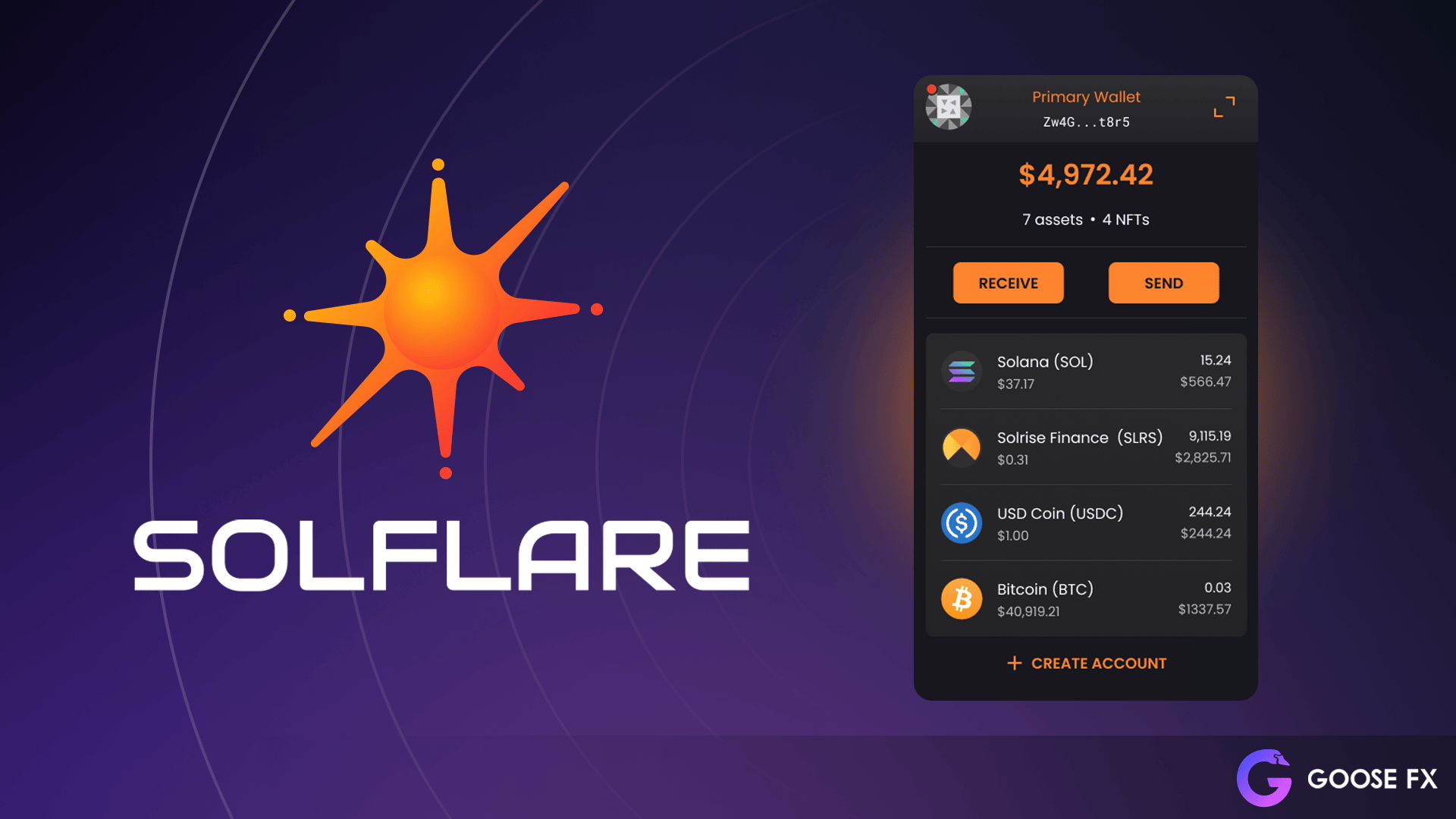
    Okay, so check this out—if you’re deep into Solana staking and DeFi, chances are you’ve come across Solflare. I’m biased, but I think it nails the sweet spot between usability and security. Plus, their browser extension integrates smoothly with various DeFi protocols, making the whole process less of a headache. If you want to give it a spin, here’s the solflare wallet download link without any fuss.

    Now, about validators. Not all are created equal. Some have higher uptime, better security practices, or more transparent governance. My instinct said to just go with the biggest ones, but that’s not always the smartest move. Smaller validators might be more community-focused or offer better incentives. Still, you gotta watch out for those with sketchy track records. Really, it’s a balancing act.

    Dashboard showing various Solana validators with uptime and performance stats

    Why Your Validator Choice Impacts More Than Just Staking Rewards

    Look, choosing a validator impacts your rewards, sure, but there’s more to it. Validators process transactions and secure the network. If a validator misbehaves or goes offline, your stake could be temporarily slashed or your rewards delayed. Here’s what bugs me about some guides—they gloss over these risks like they’re minor details. They’re not.

    Something felt off about blindly trusting validators just because they advertise high returns. Sometimes, validators with too-good-to-be-true promises might be cutting corners on security or engaging in risky behavior. I’ve seen cases where validators hoard stakes or don’t participate actively, which can hurt the network and your earnings. So, digging into validator stats—uptime, commission rates, community feedback—is very very important.

    And then there’s the browser extension angle. You want something that’s not just a key store but also bridges seamlessly to DeFi apps. Extensions that are too bloated or have poor UX can lead to mistakes, like sending tokens to wrong addresses or falling for phishing. I’m not 100% sure why some extensions don’t prioritize user education more, but it’s a glaring gap in the ecosystem.

    Honestly, that’s why I keep coming back to Solflare. Their extension feels polished, and the team seems genuinely invested in user security and DeFi compatibility. Plus, they keep improving the interface, which is huge for folks who aren’t hardcore techies. I mean, you don’t want to spend half your day troubleshooting wallet issues when you could be farming yields or exploring new protocols.

    Browser Extensions + DeFi Protocols: The Double-Edged Sword

    Here’s the catch. Using a browser extension exposes you to more attack vectors than cold wallets. It’s convenient but risky if you’re not careful. Some DeFi protocols require multiple wallet permissions, and if your extension isn’t well-coded, that’s an open door. Hmm… I remember once accidentally approving a transaction that looked normal but was a sneaky token swap I didn’t want.

    On the flip side, browser extensions enable quick access to staking pools, yield farms, and NFT marketplaces. They’re the gateway for most users into the Solana DeFi world. But choosing an extension that’s tightly integrated with Solana’s validators and protocols reduces friction and errors. That’s why the solflare wallet download is worth considering—it’s built with the ecosystem’s nuances in mind.

    One thing that surprised me: some validators recommend or even build their own extension features to streamline delegation and rewards claiming. Though actually, that can backfire—too many options confuse users, or worse, fragment security. Centralization risk creeps in if a single validator’s extension dominates. So, I guess the takeaway is use extensions that are open, audited, and community-trusted.

    Oh, and by the way, if you’re into multi-device setups or want to layer security, some extensions support hardware wallet integration. That combo feels like the best of both worlds—speed plus cold security. But it’s not always straightforward to set up, so a little patience goes a long way.

    Final Thoughts: Stay Curious, Stay Safe

    So, coming full circle, validator selection and your choice of browser extension are deeply intertwined in your Solana DeFi experience. It’s not just about chasing high APYs but also about protecting your stake and having a smooth, reliable interface. I’m still learning myself—this space moves fast and sometimes feels like the wild west.

    If you’re looking to dip your toes or level up, I genuinely recommend checking out the solflare wallet download. It’s helped me avoid many headaches and keeps improving with the community’s feedback. And remember, don’t rush your validator choice—dig into the stats, read user reviews, and maybe even diversify your stakes.

    Anyway, that’s my two cents. The crypto world can be messy, but with the right tools and a bit of skepticism, you can navigate it pretty well. Now, if only staking rewards weren’t so volatile… but hey, that’s a whole other story.

  • Why a Desktop Wallet with NFT and Portfolio Support Actually Changes the Game

    Whoa! I landed on this thought after juggling three wallets and an embarrassing spreadsheet for my tokens. My instinct said there had to be a better way, and honestly, there is. At first it felt like chasing the next shiny app—then I tried a properly featured desktop wallet and things shifted. What I’m sharing here is practical, a bit opinionated, and meant for folks who want somethin’ that just works across chains.

    Really? Yeah. Desktop wallets still matter even in a phone-first world. They offer a different ergonomics: bigger screens, more granular controls, easier batch management, and fewer accidental taps. For collectors of NFTs and people who manage portfolios across dozens of coins, the desktop environment simplifies context switching. On one hand mobile is convenient; on the other hand desktop brings clarity when you need to verify contracts or inspect token metadata carefully.

    Here’s the thing. NFT support in a wallet isn’t only about viewing images. It means metadata fidelity, reliable contract interaction, and safe token transfers—things that often break in lightweight wallets. I’m biased, but when an app shows provenance, media links, and lets you set royalty preferences or view off-chain metadata, that’s a big win. This part bugs me when teams treat NFTs like just another ERC-20. They’re not. They’re unique, and the tooling should reflect that.

    Desktop wallet user inspecting NFT metadata on a laptop

    What a good desktop wallet should do (and often doesn’t)

    Okay, so check this out—firstly, it should give you deterministic keys and multiple wallet types. Secondly, it needs intuitive transaction flows for both token swaps and NFT transfers. Thirdly, robust portfolio insights: historical P&L, cost basis, and a simple net-worth timeline. These sound basic but many wallets skip one or more of them. I’ve seen it—very very important features left out because “we’re mobile-first.”

    Security must be visible and understandable. Wow! You should see clear options for hardware wallet integration, encrypted backups, and optional multi-factor protections. Without those, a wallet is a shiny target. Also, the UX should make it obvious when you’re signing a contract vs. approving a token allowance—because that distinction matters a lot.

    NFT support: practical expectations

    Hmm… NFTs are messy in practice. Metadata can be IPFS, Arweave, or hosted on a random server that disappears. A desktop wallet that supports on-chain and decentralized metadata checks is already ahead. It should cache media responsibly, verify token contracts against known registries, and show token history including transfers and sales.

    Seriously? Yep. Wallets should offer safe signing for marketplace interactions and show human-readable summaries of what a contract call will do. Initially I thought a simple “approve” dialog was fine, but then I watched someone unknowingly grant infinite allowance to a scam contract. Oof—learned the hard way. So any desktop app that surfaces allowances and lets you revoke them easily gets major points from me.

    Portfolio management that you can actually act on

    Portfolio tools are more than charts. They need easy import/export, CSV-friendly cost basis edits, and clear tax-reporting helpers. For traders and long-term holders alike, the ability to tag transactions and group wallets makes monitoring much less painful. Oh, and by the way, reconcile your on-chain activity with exchange deposits—this helps avoid missing gains or losses at tax time.

    On one hand automated aggregation is great; on the other hand here’s a caveat—auto-aggregation sometimes misclassifies contract activity as trades. So good software should let you reclassify. Actually, wait—let me rephrase that: it must let you reclassify, because automated heuristics aren’t perfect. That human-in-the-loop capability is what separates useful portfolio features from noisy dashboards.

    Desktop workflows that beat mobile for power users

    Shortcuts, hotkeys, and multiple-window support matter more than people think. Batch signing, CSV exports, and deeper filtering are heavy-lift features that are just clumsy on phones. For creators minting or transferring NFTs en masse, or for collectors doing provenance research, the desktop workflow is simply faster.

    My experience: when I had to bulk-send tokens to contributors, a desktop client with batch operations saved me hours. My instinct said it would be fiddly—turns out it was straightforward and auditable. I’m not 100% sure every team needs batch transfers, but if you interact with communities or run DAOs, you do. These are the pragmatic differences that matter day-to-day.

    Security trade-offs and operational hygiene

    Here’s what bugs me about some “all-in-one” wallets: they promise custody and convenience but obscure the security model. A desktop app can be as secure as your OS; however, if your system is compromised, so is your wallet. So use hardware keys for cold storage and keep hot wallets for active trading only. Simple rule.

    On another note, backup UX should be idiot-proof. Wow! Offer encrypted seed backups, file-based backups, and clear steps for recovery. And keep users informed about phishing risks and malicious extensions. Education inside the wallet matters—small nudges prevent big mistakes.

    Why cross-platform consistency is a big deal

    Consistency across mobile, desktop, and browser extensions reduces user error. If a wallet behaves wildly different on your phone than on your laptop, you’ll make mistakes—trust me. That’s why multi-platform wallets that sync settings and allow safe linking without server-side custody stand out.

    Check this out—if you want to explore a wallet with broad platform support and a solid desktop UX, take a look at https://sites.google.com/cryptowalletuk.com/guarda-crypto-wallet/. It’s one I’ve tested across chains, and it handled NFTs and portfolio features in a straightforward way. I’m biased toward tools that keep control in the user’s hands, and this one fits that ethos.

    Practical checklist before you commit

    Short list: check hardware wallet compatibility, NFT metadata handling, transaction clarity, portfolio export options, and backup/recovery flows. If the wallet supports contract verification and allowance revocation, bonus. Also test customer support—if you hit an issue, a responsive team matters a lot.

    One more thing: test fees and built-in swap routing on desktop before moving large amounts. This will surface hidden costs or slippage that drag your returns down. Sometimes a slightly different path reduces fees and improves execution. So experiment with small amounts first.

    FAQ

    Do I need a desktop wallet if I use mobile mostly?

    Not strictly, but desktop wallets add control for complex tasks like NFT provenance checks, batch operations, and deeper portfolio analysis. Use mobile for quick checks; use desktop for heavy lifting.

    Are NFTs safe to store in a typical desktop wallet?

    Yes, if the wallet preserves metadata and integrates safely with hardware keys or secure seed management. The risk usually comes from signing malicious contracts, not from holding NFTs themselves.

    How should I manage hot vs. cold wallets?

    Keep an operational hot wallet for daily interactions and a hardware-backed cold wallet for long-term holdings. Move smaller amounts to hot wallets as needed, and document transfers—this prevents accidental exposure.

  • Casinoland 3 Simple Ways To Read Football Odds Analysis Nz

    Content

    • Casinoland Internet casino Receiving Options
    • Make sure Easy methods to Qualify for A new Accepted Reward
    • Internet casino Initial Nz Assess

    We all get payout for advertising a good manufacturing businesses from this website. Take note of this nonetheless everyone try and supply you with all the way-to-date paperwork, we really do not assess whatever agents attainable. (altro…)

  • Why NFT Marketplaces and Portfolio Trackers Are the New Frontier for Crypto Investors

    Ever notice how the crypto world moves fast—like, blink-and-you-miss-it fast? One day you’re just dabbling in Bitcoin, and the next, you’re wondering if tracking your NFTs feels like juggling flaming swords. Wow! It’s wild out here.

    So, I was thinking about how NFT marketplaces have exploded, and honestly, they’re way more than just shiny digital art shops. They’re becoming these bustling hubs where ownership, community, and value intersect in ways that traditional markets just don’t capture. But here’s the thing: if you’re not tracking your portfolio smartly, you might be flying blind, especially with all these new assets flooding the space.

    At first, I thought, “Okay, NFT marketplaces are cool, but aren’t they just hype bubbles?” Then I dug deeper and realized there’s real utility—real innovation—in how these platforms handle data, ownership provenance, and even creator royalties. It’s a lot to unpack, but bear with me.

    Now, let’s talk tools. Tracking crypto prices used to be simple—Bitcoin, Ethereum, maybe a handful of altcoins. Today, there are thousands of tokens and NFTs you might want to monitor simultaneously. That’s where portfolio trackers come in. But not all trackers are created equal. Some are clunky, others lack NFT support, and a few are just downright confusing.

    Seriously? Yeah. And that’s frustrating, especially when you want a clear snapshot of your investments across multiple blockchains. Something felt off about many trackers—they focus too much on coins and forget the NFT side, which is becoming a huge piece of many investors’ portfolios.

    Okay, so check this out—one platform that’s been a game changer for me is coingecko. It’s not just a price checker; it’s like this comprehensive data powerhouse that covers coins, tokens, DeFi projects, and yes—NFTs too. Their portfolio tracker lets you keep tabs on everything in one spot, and that’s pure gold for someone juggling a mix of assets.

    What’s really cool is how they aggregate market data from multiple exchanges and blockchains, giving you a near real-time view without hopping from site to site. The user interface isn’t fancy-schmancy, but it’s intuitive and reliable. For me, reliability beats bells and whistles any day.

    But here’s a twist—NFT marketplaces themselves are starting to integrate better data tools. Some now let you see bid histories, ownership transfers, and even estimated valuations directly within their interfaces. That’s a huge step forward because it means investors can make more informed decisions without relying solely on third-party tools.

    On one hand, this convergence of marketplaces and portfolio trackers feels like a natural evolution. Though actually, I wonder if it’ll create too much centralization in what’s supposed to be a decentralized space. Will having all your eggs in one basket be a security risk? Something to mull over, for sure.

    Meanwhile, the NFT market’s volatility adds another layer of complexity. Prices can swing wildly based on hype, community sentiment, even Twitter chatter. Tracking these shifts requires tools that not only show historical data but also provide analytics to anticipate trends. That’s where a platform like coingecko shines with its charts and trend indicators.

    Dashboard view of NFT marketplace data and portfolio tracker combined, showing price trends and ownership history

    Here’s what bugs me about most NFT marketplaces: they often prioritize flashy visuals over functional data. It’s like they want to dazzle you rather than equip you. I’m biased, but when I’m investing serious money, I want cold hard data, not just pretty pictures. Luckily, some newer platforms are catching on.

    Digging into portfolio trackers, I noticed many still don’t support cross-chain NFTs seamlessly. So if you have assets on Ethereum, Solana, and Binance Smart Chain, you might have to use multiple tools or manually track some items. That’s a headache. It’s not just inconvenient—it’s risky if you miss something important.

    My instinct said that the best tools will be those that embrace interoperability. Actually, wait—let me rephrase that. The best tools will be those that make interoperability invisible to the user, so you just see a unified portfolio without worrying about which chain an asset lives on.

    Speaking of which, I found that coingecko is gradually improving their NFT tracking capabilities, pulling data from a variety of sources to give a more complete picture. I’m not 100% sure how seamless it is yet, but it’s promising enough to keep an eye on.

    Another thing—there’s this psychological angle to portfolio tracking that often gets overlooked. For example, seeing your NFT’s price swing crazily can cause anxiety or overconfidence. A good tracker should help manage that by offering contextual info or alerts, not just raw numbers. Hmm… I haven’t seen many do this well so far.

    On a tangent, by the way, community features integrated into some NFT marketplaces add value by letting collectors connect, share insights, and spot trends early. This social dimension can indirectly influence prices and investment strategies, which is something pure portfolio trackers don’t capture.

    Ultimately, the crypto scene’s evolution is driving a need for more sophisticated tools that blend marketplace activity, pricing data, and portfolio management into a cohesive experience. This synergy is vital as NFTs become a staple asset class alongside coins and tokens.

    But I wonder if the tools will keep pace with the innovation or lag behind, leaving investors scrambling. So far, platforms like coingecko are leading the charge, but the space is still very much in flux.

    For anyone serious about navigating this wild terrain, I’d say start experimenting with integrated trackers that support NFTs and keep an eye on marketplaces that emphasize data transparency. It’s not perfect yet, but it’s getting there.

    Honestly, I’m excited but cautious. NFT marketplaces and portfolio trackers together could redefine crypto investing, but there’s a lot to figure out. Who knows—maybe the next big breakthrough is just around the corner, or maybe we’ll hit some bumps first.