Whoa! Have you ever thought about how much your choice of validator actually matters when you’re staking on Solana? At first, I thought, “Eh, validators are all kinda the same, right?” But then I dug deeper and realized it’s way more nuanced. Validators aren’t just background noise—they can seriously impact your rewards, security, and overall DeFi experience.
Here’s the thing. In the Solana ecosystem, your validator selection isn’t just a checkbox step; it’s a strategic move. These nodes keep the network humming, and by staking with trustworthy ones, you’re not only protecting your assets but also supporting the network’s health. But how do you even pick the right one? Oh, and what about browser extensions? I remember fumbling around trying to find a wallet that was both secure and easy to use for DeFi apps. It’s a jungle out there.
Initially, I thought using any random browser extension wallet would be fine for jumping into DeFi protocols. Actually, wait—let me rephrase that. I figured the more popular ones were all equally safe, but turns out, some extensions can expose you to phishing or just a clunky user experience that makes DeFi feel like rocket science. On one hand, you want speed and convenience; on the other, you need ironclad security. Finding that balance is kinda tricky.
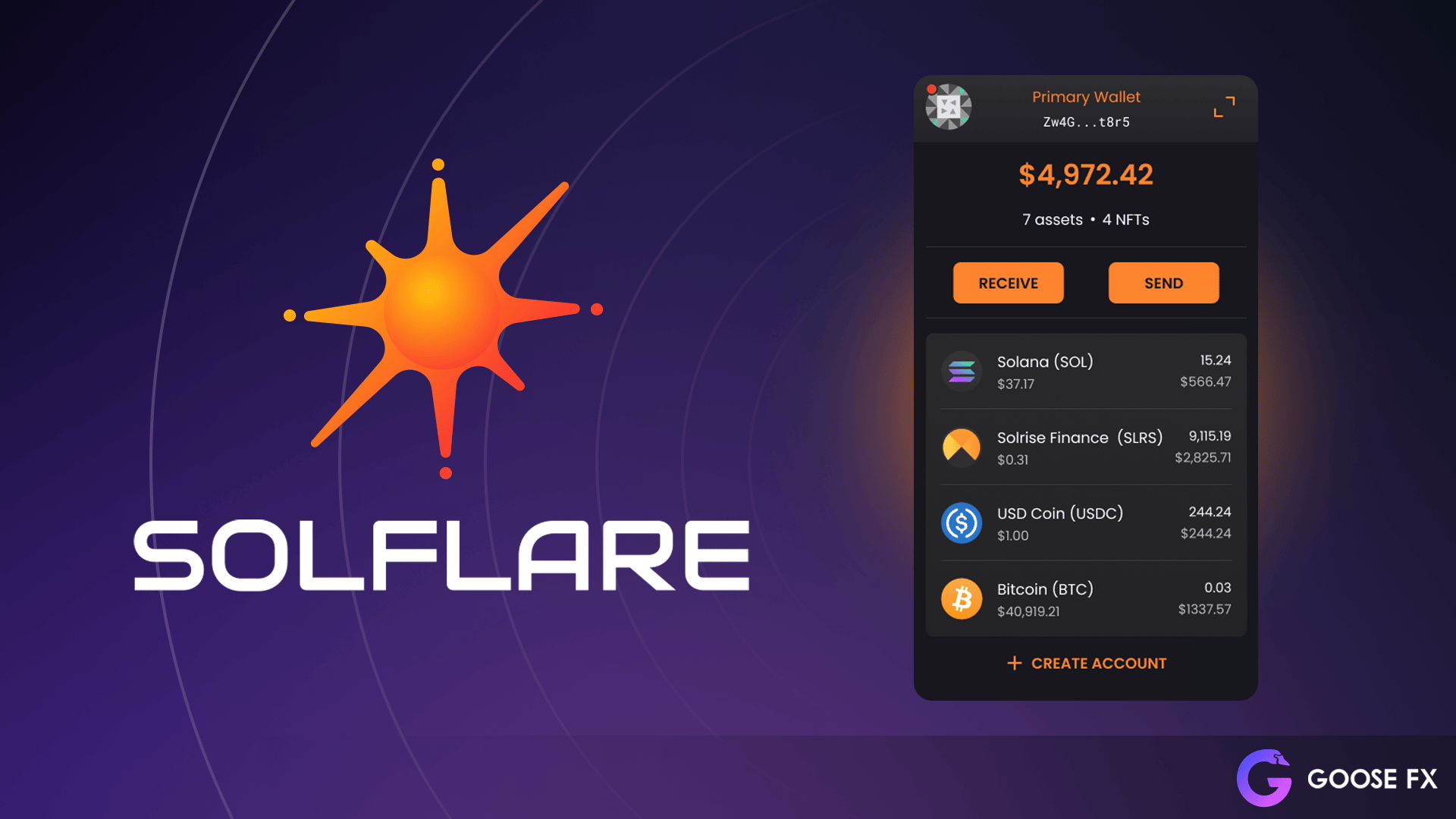
Okay, so check this out—if you’re deep into Solana staking and DeFi, chances are you’ve come across Solflare. I’m biased, but I think it nails the sweet spot between usability and security. Plus, their browser extension integrates smoothly with various DeFi protocols, making the whole process less of a headache. If you want to give it a spin, here’s the solflare wallet download link without any fuss.
Now, about validators. Not all are created equal. Some have higher uptime, better security practices, or more transparent governance. My instinct said to just go with the biggest ones, but that’s not always the smartest move. Smaller validators might be more community-focused or offer better incentives. Still, you gotta watch out for those with sketchy track records. Really, it’s a balancing act.
Why Your Validator Choice Impacts More Than Just Staking Rewards
Look, choosing a validator impacts your rewards, sure, but there’s more to it. Validators process transactions and secure the network. If a validator misbehaves or goes offline, your stake could be temporarily slashed or your rewards delayed. Here’s what bugs me about some guides—they gloss over these risks like they’re minor details. They’re not.
Something felt off about blindly trusting validators just because they advertise high returns. Sometimes, validators with too-good-to-be-true promises might be cutting corners on security or engaging in risky behavior. I’ve seen cases where validators hoard stakes or don’t participate actively, which can hurt the network and your earnings. So, digging into validator stats—uptime, commission rates, community feedback—is very very important.
And then there’s the browser extension angle. You want something that’s not just a key store but also bridges seamlessly to DeFi apps. Extensions that are too bloated or have poor UX can lead to mistakes, like sending tokens to wrong addresses or falling for phishing. I’m not 100% sure why some extensions don’t prioritize user education more, but it’s a glaring gap in the ecosystem.
Honestly, that’s why I keep coming back to Solflare. Their extension feels polished, and the team seems genuinely invested in user security and DeFi compatibility. Plus, they keep improving the interface, which is huge for folks who aren’t hardcore techies. I mean, you don’t want to spend half your day troubleshooting wallet issues when you could be farming yields or exploring new protocols.
Browser Extensions + DeFi Protocols: The Double-Edged Sword
Here’s the catch. Using a browser extension exposes you to more attack vectors than cold wallets. It’s convenient but risky if you’re not careful. Some DeFi protocols require multiple wallet permissions, and if your extension isn’t well-coded, that’s an open door. Hmm… I remember once accidentally approving a transaction that looked normal but was a sneaky token swap I didn’t want.
On the flip side, browser extensions enable quick access to staking pools, yield farms, and NFT marketplaces. They’re the gateway for most users into the Solana DeFi world. But choosing an extension that’s tightly integrated with Solana’s validators and protocols reduces friction and errors. That’s why the solflare wallet download is worth considering—it’s built with the ecosystem’s nuances in mind.
One thing that surprised me: some validators recommend or even build their own extension features to streamline delegation and rewards claiming. Though actually, that can backfire—too many options confuse users, or worse, fragment security. Centralization risk creeps in if a single validator’s extension dominates. So, I guess the takeaway is use extensions that are open, audited, and community-trusted.
Oh, and by the way, if you’re into multi-device setups or want to layer security, some extensions support hardware wallet integration. That combo feels like the best of both worlds—speed plus cold security. But it’s not always straightforward to set up, so a little patience goes a long way.
Final Thoughts: Stay Curious, Stay Safe
So, coming full circle, validator selection and your choice of browser extension are deeply intertwined in your Solana DeFi experience. It’s not just about chasing high APYs but also about protecting your stake and having a smooth, reliable interface. I’m still learning myself—this space moves fast and sometimes feels like the wild west.
If you’re looking to dip your toes or level up, I genuinely recommend checking out the solflare wallet download. It’s helped me avoid many headaches and keeps improving with the community’s feedback. And remember, don’t rush your validator choice—dig into the stats, read user reviews, and maybe even diversify your stakes.
Anyway, that’s my two cents. The crypto world can be messy, but with the right tools and a bit of skepticism, you can navigate it pretty well. Now, if only staking rewards weren’t so volatile… but hey, that’s a whole other story.
Lascia un commento